SPI 2013 Course Offerings
The information below is not updated for SPI 2014, however, the below will give prospective applicants for the 2014 program an idea of the courses offered. Please check here at the end of October 2013 for 2014 course offerings.
What’s next?
- Get to know the instructors for SPI
- Find out how much it might cost to attend
- Apply online!
- Read more about the SPI program
- Return to the SPI home page
- Taking courses for credit?
- Session I – May 6 – 14, 2013
- Intensive English course – May 6 – May 14, 2013
- Session II – May 16 – 24, 2013
- Session III – May 27 – June 4, 2013
- Cross-listed course with Seminary – May 27 – June 4, 2013
- Session IV – June 6 – 14, 2013
Only one course may be taken per session. If you have questions about a particular course that are not answered in the information below, please feel free to contact the SPI office at .
SESSION I: May 6 – 14, 2013
Practice: Skills for Peacebuilding (503)
Alma Abdul-Hadi Jadallah
Satisfies a core course requirement for MA students
Effective practice in any field relies heavily on self-awareness and respect for others. This course focuses on the essential skills and knowledge needed by a reflective practitioner facilitating conflict transformation in interpersonal and group settings. Participants will examine practical skills, including listening, getting beyond posturing, issue identification, working with commonalities, problem-solving, group facilitation, methods for structuring conversation in group settings, and awareness of the impact of self on others.
Build confidence as you imagine, reflect, and act to transform interpersonal conflicts. Using a variety of tools for learning, you will examine the range of available intervention options, the strengths and limits of each skill or technique, and the process of making choices that are contextually appropriate. Learning methods are interactive and participatory. Discussion of readings and lectures, case studies, training exercises, role plays, feedback from others, comparison of experiences, and examination of techniques in cultural context will be used to help each student acquire practical mastery of skills. Special attention will be given to exploring cross-cultural assumptions and considering differences in the development of applications in diverse settings.
Faith-Based Peacebuilding (559)
Every faith has its own peacebuilding traditions. Too often in this world, we see only our own tradition and fail to see the similarities between the peacebuilding traditions of different religions. In this course you will deepen your understanding of your own faith identity as a peacemaker while also learning about the similarities and differences of those from other faiths. Through class discussions and group work, participants will develop capacity in building structures of interfaith engagement and learn to become actors in religious diplomacy at various levels. This course will specifically
- Explore the sources of conflict and resources for peacebuilding in Judaism, Christianity, Islam, and other religions as students have interest and ability to present;
- Reveal how religious identity functions in conflict settings with a vision toward transformation;
- Present models for reading the stages of religious conflict and positioning oneself for peacemaking;
- Discuss ways religious leaders have been positive actors in conflict transformation.
The course will also explore how the spiritual and emotional content of trauma and enmity function in the matrix of religious, political, and ethnic identities in conflict and how this trauma and enmity can be transformed through peacebuilding.
Video: Faith-Based Peacebuilding
Conflict-Sensitive Development & Peacebuilding (580)
Development intervention can help transform conflicts and build peace. However, if not done with sensitivity to the given conflict and the parties involved, it can worsen conflict conditions and undermine prospects for lasting peace. With this realization comes the responsibility for development institutions and practitioners to account for the way they do development, the results of their work, and the implication of their work for conflict, peace, and human security. In this course, students will
- Explore the peace, conflict, and security nexus;
- Learn how to apply the tools and frameworks for mainstreaming conflict sensitivity in global and national development institutions, policy instruments, and strategies; and
- Critically reflect on the conflict sensitivity of “participation”, “consultation”, and “inclusion” – the emerging international best practices for sustainable recovery and development.
There will be a hands-on application of conflict sensitive approaches to all stages in the recovery and development project cycle: context assessment, project design, implementation, and monitoring and evaluation.
Understanding Psychosocial Trauma (583)
Unhealed trauma often continues the cycle of violence within a community, a family, or a nation. Explore the social, psychological, neurobiological, physical, and spiritual processes of responding to deep personal loss as well as pain and suffering in settings of protracted, violent conflict. Examine recently developed approaches to the healing of individuals and communities as they move from violence or war to justice and peace. This course will provide participants with a thorough overview of the complex issues of trauma, trauma healing, and transformation within socio-historical contexts. Participants will discuss theoretical bases of trauma work through narratives and case examples from a variety of international settings and engage in practical exercises to demonstrate approaches to trauma recovery.
This course integrates trauma transformation into the larger justice and peacebuilding field. The learning process for this course involves a collaborative, interactive effort by the instructor and participants through lectures, hands-on activities, role-plays, dialogue, and circle process.
Intensive English for Peacebuilding (IEP 380)
Caroline Borden
Training only
Refresh your English-language skills in a course designed for people who are not native speakers and would benefit from gaining and practicing English skills prior to taking SPI courses. Special emphasis will be placed on essential language skills required for SPI courses.
Please note that this course is run by the Intensive English Program at EMU and is sponsored by the Summer Peacebuilding Institute. The cost for this course is $1,300.
SESSION II: May 16 – 24, 2013
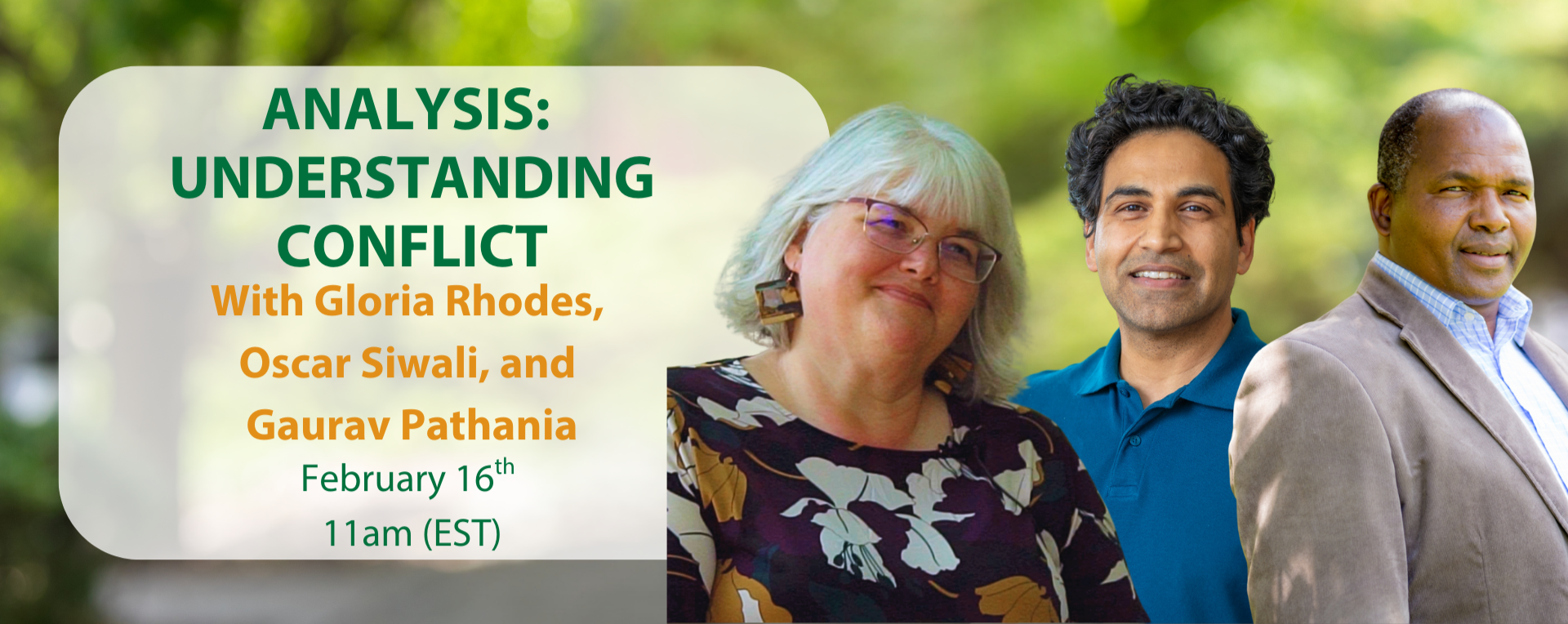
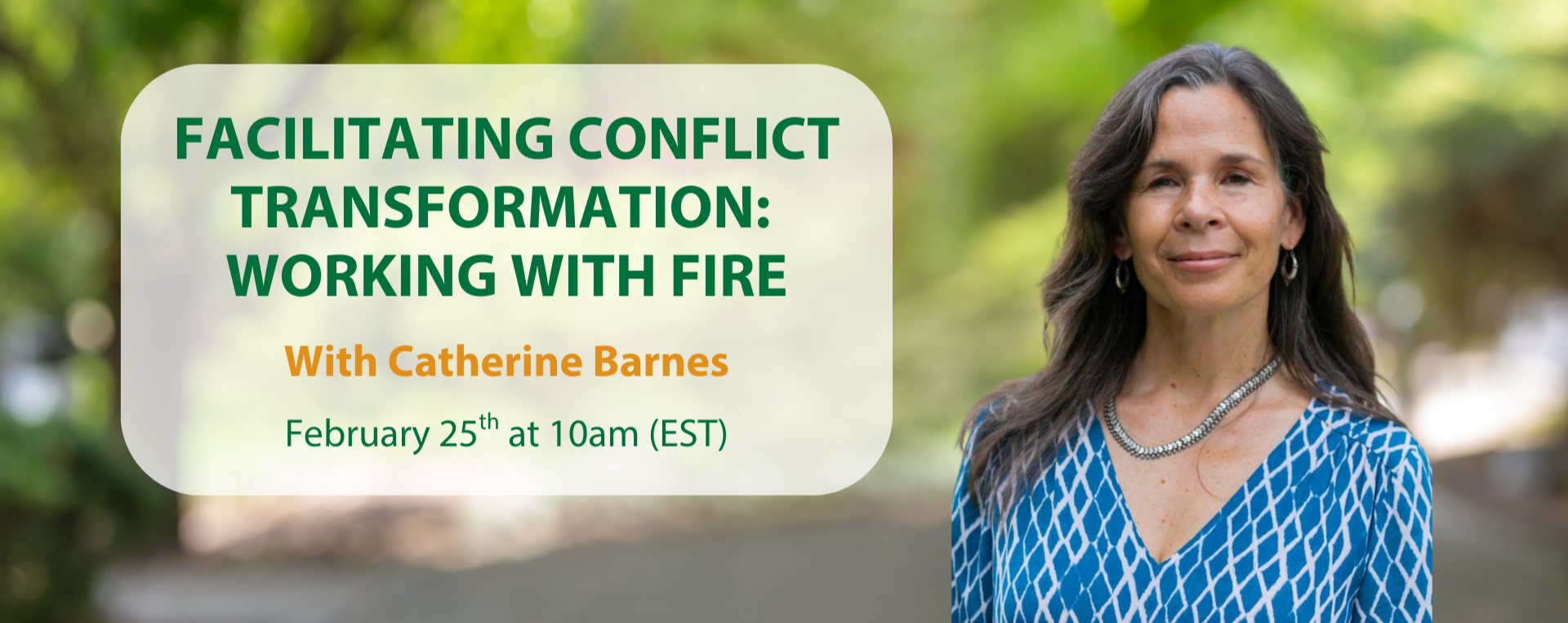
Analysis: Understanding Conflict (533)
Catherine Barnes
Satisfies a core course requirement for MA students
Good conflict analysis skills are a central component of designing effective strategies for transforming conflict and building peace. This course will use a variety of analytical models to:
- Understand different categories of conflict and their sources;
- Explore conflict relationships and the motivations and worldviews of those involved; and
- Analyze conflicts as systems so as to identify leverage for systemic change.
Participants will explore conflicts through a number of lenses, including power dynamics, structural violence, political economy and drivers of change analysis, gender analysis, and the influence of identity and trauma. Case studies of inter-personal, community, societal, and global-level conflicts will bring this analysis to life through role plays and simulations and give participants a chance to practice their analysis skills. The “ethics of analysis” will be discussed as participants become more self-aware of the implications of their role and biases in conflicts. The class will survey various “criteria for effectiveness” for peacebuilding and consider how to make the linkages between a broad analysis of a conflict and how best to respond under current conditions to support the possibility for sustainable transformation. Drawing on their analysis skills, participants will work in small groups to design intervention and programmatic responses to specific conflict situations.
Reconciliation & Forgiveness (563)
Reconciliation and forgiveness play a large role in peacemaking and peacebuilding. This course will explore the concepts of forgiveness and reconciliation, their various components, and the place they occupy in the spectrum of various conflict-handling mechanisms. Participants will examine these concepts from different philosophical, cultural, and disciplinary perspectives and look at how reconciliation and forgiveness have been used for healing interpersonal relationships and addressing large-scale social conflicts (political, inter-ethnic or international).
The main emphasis of the course is on social conflicts, but the personal, psychological, spiritual and ecological dimensions of forgiveness and reconciliation and their interrelationships with one another will also be explored. Participants will engage in extensive personal reflection and group simulation designed to illuminate the possibilities and complexities of working toward forgiveness and reconciliation in deeply divided societies.
Restorative Justice: The Promise, The Challenge (571)
Carl Stauffer and Lorraine Stutzman Amstutz
Restorative Justice focuses on repairing the harm caused by and revealed by crime or wrongdoing. It seeks to involve those who have a stake in a specific offense (the victim, offender, family members, community, or others) to identify and address the harms, needs, and obligations of all involved in order to heal and put things as right as possible.
This course provides a critical examination of the fundamental principles and practices of restorative justice and provides a unique opportunity to explore not only the promise of, but also the challenge to the restorative justice field in a variety of contexts. Participants will explore the needs and roles of key stakeholders, outline the basic principles and values of restoration, and be introduced to some of the primary models of practice. The course also addresses the “challenges” to restorative justice as well as possible strategies to help prevent restorative justice from failing to live up to its promise. The central starting point for the course is the Western legal or criminal justice system and the problem of crime; however attention is also given to applications in and lessons from other contexts. Of particular interest is the contribution of traditional or indigenous approaches to justice.
Dr. Howard Zehr will feature as a guest lecturer at the beginning of the course, focusing on the theories and background of restorative justice.
Uncovering your Inner Theorist: The Hidden Assumptions that Shape Practice (573)
Our efforts to respond to conflict are shaped by our unspoken and often unexamined “theories about the world.” Great reflective practitioners know how to uncover these invisible theories, put them into dialogue with other information, and use the resulting new ideas to refine and improve their work. In this course participants will discover that everyone has their own theory and our individual theories may be different from another person’s theories or the collective theories of a society. This is not an introductory level course. Participants need a background in conflict analysis (obtained through a course or practical experience), a sense of humor, and a desire to dig deeper into the hidden assumptions that shape our work as peacebuilders.
Designing Learner-Centered Training (576)
Marshall Yoder and Jeanette Romkema
Learner-centered trainings combine a focus on the individual learner’s life experiences with a focus on how learning occurs and the teaching practices that promote effective learning. This course will examine and use the principles and practices of Dialogue Education to design learner-centered trainings with an emphasis on their use in conflict transformation and peacebuilding trainings. Participants will explore and experience the “eight steps of planning” framework for designing learner-centered events as well as other models for maximizing learning and ensuring desired change. Discussion will draw attention to the different ways people learn and the varied techniques of creating learning tasks that make learning “stick”. Participants will examine the power of group-based learning in an inclusive supportive environment, useful in a variety of teaching and learning environments. Each participant will design a learning event (or portion) to use in his/her work and must come to this course with a design idea or an existing design that they wish to modify.
This course is built on concepts from Paulo Freire (among others) that were later developed and expanded upon by Dr. Jane Vella. While not a peacebuilding course per se, learners should experience the parallels between the principles of Dialogue Education and certain core peacebuilding practices.
SESSION III: May 27 – June 4, 2013
Developing Peace Leadership in the Wilderness (052)
Nettie Pardue and Kenja Griffin
Training only
Peacebuilding lessons and skills can be acquired outside as well as inside of a classroom. During this course, participants will put that idea to the test over seven days and six nights of hiking and camping in the Monongahela National Forest in West Virginia. Under the guidance of experienced outdoor facilitators from the Outward Bound Center for Peacebuilding (OBCP), participants will utilize an experiential approach to developing compassionate leadership in an intimate interaction with the natural environment and their fellow course participants. The expedition will serve as a learning laboratory for practicing leadership styles and applying conflict resolution skills, trying tools for developing consensus, and exploring some of the roots of conflict such as power, rank and privilege, all while living and walking together in the beautiful Monongahela National Forest.
Specifically, the course is designed for students to:
- Deepen understanding of the application of experiential education to peacebuilding practice
- Strengthen and cultivate compassionate leadership
- Explore their understanding of culture
- Learn, practice, and apply conflict resolution and peacebuilding skills in an experiential context
As part of the learning laboratory, students will take on different roles each day, including leaders of the day, cooks, scribes, and camp set-up teams. The expedition will encompass skills-building activities, rock climbing, lively discussions of the course readings, time for debriefing and reflection and an overnight solo experience.
All instruction, facilitation, and equipment is provided by Outward Bound. Participants are responsible for providing their own clothing and hiking boots, however OBCP may be able to offer minimal assistance with adequate notice. The course will begin and end on the EMU campus and will require special registration steps and a pre-medical screening. Due to the nature of the course additional fees will apply. There is an upper limit of 12 people for this course.
Strategies for Trauma Awareness and Resilience (STAR) Level 1 (540)
Elaine Zook Barge and David Anderson Hooker
Trauma impacts how individuals and groups think, feel, and behave as well as how societies are organized. Unhealed trauma often leads to violence and violence begets more violence as victims act out against others or become self-destructive. Created to help people who work with individuals, groups, or communities suffering from current or historic trauma, the STAR training presents – in both theory and practice – an integrated approach to understanding the trauma, conflict, and violence caused by nature, human beings, and/or structural systems.
STAR is for those who want to bring a trauma-informed perspective to their work. The course brings together neurobiology, conflict transformation, human security, spirituality and restorative justice to:
- Increase awareness of the impact of trauma on the body, mind and spirit of individuals, communities and societies;
- Offer tools and processes for addressing trauma and breaking cycles of violence; and
- Explore ways of building individual and collective resilience, including self-care strategies.
Developing Healthy Organizations (564)
David Brubaker and Joanne Lauterjung Kelly
Is your organization “healthy” or not? Many organizations, especially those in the social change arena, spend far more time, resources, and energy on their external mission than on addressing internal issues. This can lead to underdeveloped organizational structures and undernourished personnel. In this course you will analyze organizational structures, cultures, and environments to determine what makes an organization healthy or if an organization is in need of help. Participants will also discuss the role of leadership in initiating and managing organizational change. Additional topics relevant to organizational life will be included depending on the interests of participants. A variety of arts-based methodologies and creative and experiential approaches will be woven in throughout the course to support understanding and working for change in organizational systems.
Qualitative Research (631)
Mark Chupp and Kristin Bodiford
Satisfies a core course requirement for MA students
Explore the field of qualitative research with a focus on learning specific methods that can promote social change and peacebuilding. Gain theoretical perspectives on action research and social constructionism and be introduced to diverse qualitative research strategies and methods. Through case studies, the course will examine the role of the researcher and his or her relationship to the community as it affects collection, analysis, and the interpretation of data. Emphasis will be on participatory methods that promote social change as well as newer positive change approaches to research, such as appreciative inquiry. During this course, participants will
- Conduct a mini-research project to experiment with and reflect on a set of skills and methods
- Examine how qualitative research can be transferred to other cultures
- Discuss how to design their own participatory research projects for application in their home communities.
Nurturing Resilience for Sustained Peacebuilding (686)
Bill Lowrey and Alice Petersen
Resilience is the capacity to rebound, recover and adapt after experiencing significant shocks and be able to retain, strengthen and sustain commitments while maintaining core values and integrity. This course will address the nurturing of personal resilience, the development of community resilience, and the importance of organizational resilience in a rapidly changing and turbulent world. Discussions will focus on theories and tools of resilience, giving the greatest weight to nurturing personal resilience. Participants will use experiential learning techniques to examine their own lives and become familiar with specific resilience tools as they construct a Personal Resilience Plan based on a provided template.
This course will explore
- Tools of self-care;
- The critical role of bonded, bridged, and linked relationships;
- The leveraged value of specialist support;
- The vital necessity of compassionate engagement in the world; and
- The importance of anticipating challenges and potential future shocks.
Beyond personal resilience, the course will explore key elements of building community resilience particularly in areas that are prone to natural disasters and destructive conflicts. Recognizing that local and international organizations that work in turbulent settings must also develop organizational resilience, special attention will be paid to concepts that include translational leadership and the necessity of embracing “adhocracy” approaches linked with self-organizing systems.
Video: Nurturing Resilience
Designing Peacebuilding Programs: Linking Conflict Assessment to Planning & Implementation (687)
The course will provide participants from large and small peacebuilding organizations, government agencies, and regional and international organizations with the newest planning tools to prioritize information, and make complex decisions to design a comprehensive and strategic peacebuilding strategy for their organization. Designed with advanced professionals in mind, this course provides a framework and skill set for planning strategic peacebuilding. Discussions will focus on linking:
- Research methodologies for conflict assessment;
- Self-assessment;
- Theories of change;
- Designing peacebuilding policies, programs and projects; and
- Monitoring and evaluation of peacebuilding efforts.
Recognizing that many organizations skimp on conflict assessment, fear “analysis paralysis,” or design programs based on untested assumptions or faulty theories of change, this approach provides basic as well as advanced tools for each element of the process. Too often, critical steps in this sequence are missing, or conducted by different groups of people without coordination. This course addresses these problems.
The course is based on the instructor’s new book on Conflict Assessment and Peacebuilding Planning, published by Kumarian Press in January 2013 drawing on 15 years of teaching this material at the graduate level and training peacebuilding practitioners in Afghanistan, Iraq, Kenya, Ghana, Sri Lanka, Indonesia, Lebanon and elsewhere in this method.
Course cross-listed with Eastern Mennonite Seminary
May 27 – June 4, 2013
Biblical Foundations for Justice and Peacemaking
Explore and examine the various dimensions of peace in the Bible, with special attention to how the Bible as a whole functions as a foundation for peacemaking. Discuss texts that reflect the everyday dimensions of wholeness, wellbeing, and security, and describe God’s attempts to make peace with rebellious humanity.
Note: SPI participants interested in this class must register separately with the seminary. Please fill out the seminary’s part-time application, specify your interest in this course on the application, and that you are an SPI participant.
SESSION IV: June 6 – 14, 2013
Monitoring, Evaluation & Learning (624)
Monitoring and evaluation are the learning disciplines most readily available for peacebuilding practitioners. Participants should already be familiar with the theory and practice of peacebuilding, but new to the field of monitoring and evaluation. The course approaches monitoring and evaluation from a learning perspective and introduces theories of change, indicators, monitoring, evaluation design, and tools for reflective practice. Course objectives are to enable participants to:
- Practice evaluative thinking;
- Design better projects;
- Monitor and learn from those projects more regularly and effectively;
- Enable participants to engage with evaluation more thoroughly; and
- Improve peacebuilding practice and accountability to all concerned parties.
The emphasis is on utilization-focused evaluation and working with qualitative data. The course design includes mini-lectures, experiential learning exercises, and practical case applications.
Prior to the beginning of the course, participants are invited to submit a 5-7 page case study of a peacebuilding project that may be used in the practice sessions involving indicator development, monitoring planning, and evaluation design. The case study should include a detailed conflict analysis, a goal statement, SMART objectives, targeted results, and brief descriptions of the key activities. Two to four case studies will be chosen according to participant interest.
Building Justice: Transitional & Indigenous Applications in Post-war Contexts (671)
John Caulker and Carl Stauffer
Transitional justice is an attempt to satisfy human needs beyond the current global justice system’s abilities. Discussions will highlight the use of transitional justice in post-war settings internationally. Participants will examine the key theoretical underpinnings of transitional justice and a multi-disciplinary approach to concepts of justice while critiquing and comparing various popular expressions of societal justice through structures such as:
- International Criminal Courts;
- Truth and Reconciliation Commissions;
- Restitution / Reparation programs;
- Reintegration strategies for adults and children affected by war; and
- Memorialization initiatives.
Various parallel and communal indigenous justice efforts will be studied and compared to the current dominant global justice paradigms, with a particular focus on the growing innovations in new hybrid justice models that attempt to satisfy the collective needs of traumatized societies, and the continued search for how to ensure a future transmission of generational justice that is securely embedded in the concern for the common good.
Narrative: Theory and Practices for Healing Self, Building Community & Organizing for Change (688)
David Anderson Hooker and Vanessa Jackson
How do stories shape our lives? What is the role of metaphor in creating, sustaining, and resolving conflict? Stories have always shaped our understanding of the world. Recently there has been an increased interest in the theories and practices of narrative and its application to peacebuilding and conflict transformation.
In this course, participants will explore the newly emerging principles of narrative as an approach to peacebuilding and consider specific practical applications of narrative to conflict transformation (narrative mediation), community building, community organizing (public narrative and Paulo Freire’s generative story telling); and trauma healing specifically focused on community and cultural trauma. The course balances theory and practice and is specifically attentive to cultural relevance. The course is not an in-depth treatment of theories of Trauma, Conflict Transformation or Community Building; therefore it would be helpful (but not required) for students to have an introductory understanding of at least one of those theoretical frameworks.